
Garage Door Noise Reduction Austin, TX
If your garage door rattles the house when it opens, we can identify the source and explain the repair options.
(512) 799-1245Real person answers · Service across Austin, TX
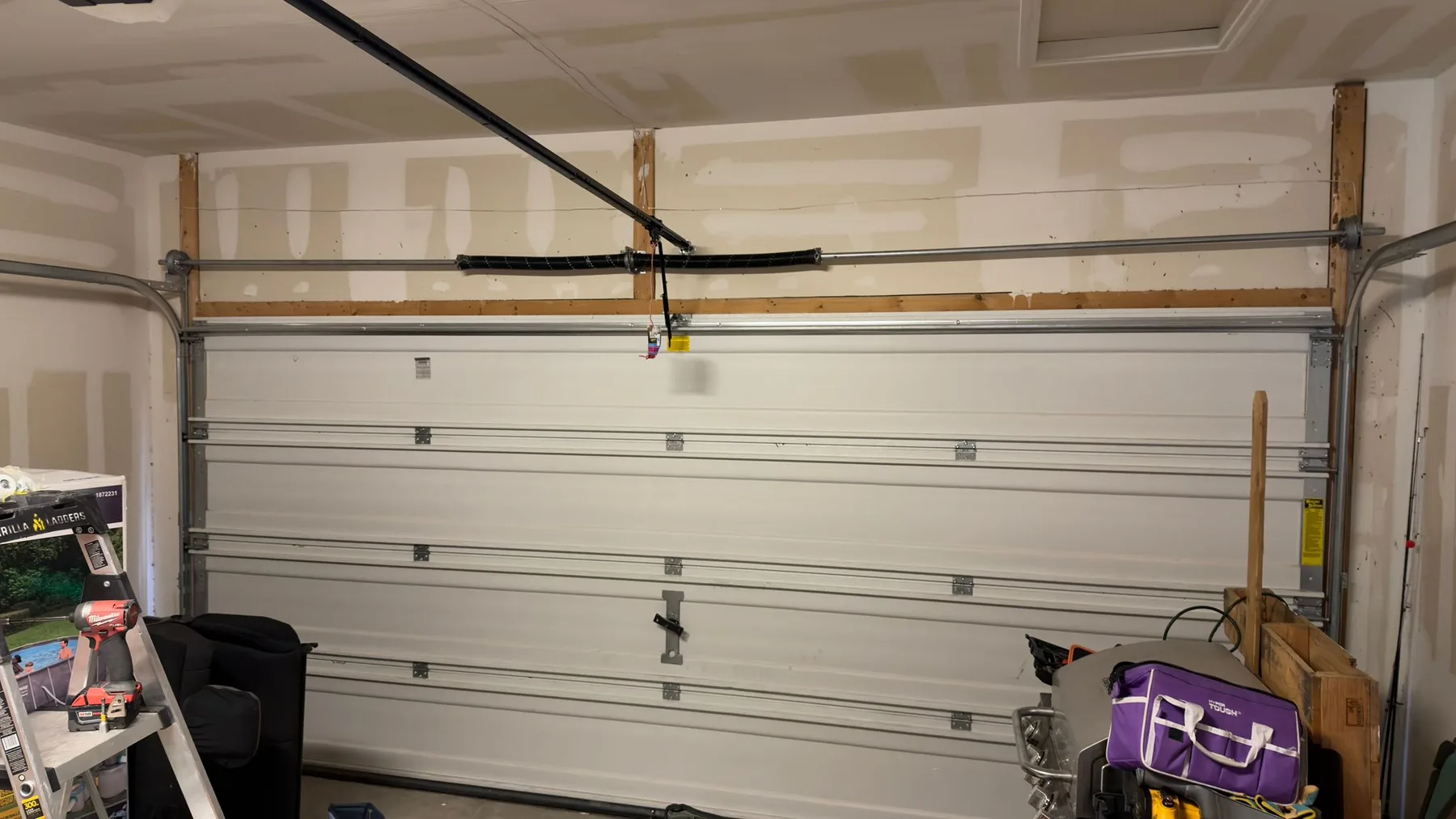
A loud garage door can disrupt rooms above or beside the garage. Common causes include worn steel rollers, dry hinges, a loose chain-drive opener, or vibration transferred into the framing. We inspect the door and opener to identify the source. Depending on the problem, the repair may involve nylon rollers, lubrication, tightened hardware, a belt-drive opener, or vibration isolation. Repair work is completed the same day the technician arrives.
What Makes a Garage Door Loud
Why Upgrade to a Quiet System
We recommend a tiered approach based on your budget and how quiet you need it. The essentials, nylon rollers, tightened hardware, and proper lubrication, deliver the biggest improvement for the least money. For homes where silence really matters, adding a belt-drive opener and an anti-vibration mounting kit gets you as close to silent as a garage door can be. We'll tell you honestly which upgrades will make a difference for your specific door and which won't.
Repair work is completed the same day the technician arrives.
Frequently Asked Questions
How much does it cost to quiet a noisy garage door in Austin?
Call now for upfront pricing over the phone. We’ll assess your specific door and give you a fair price before we start.
What's the single best upgrade to reduce garage door noise?
Replacing steel rollers with sealed nylon rollers gives the biggest bang for the buck. If your opener is an old chain drive, switching to a belt drive is the next most noticeable improvement.
Will lubrication alone fix a loud door?
It helps a lot with squeaks and squeals from dry hinges and springs, but it won't fix grinding steel rollers, a clattering chain drive, or vibration transfer. We combine lubrication with the right hardware for a lasting result.
Are belt-drive openers really that much quieter?
Yes. A belt-drive opener uses a reinforced rubber belt instead of a metal chain, eliminating most of the clatter. It's the top choice for garages under living spaces.
Why does my door make the whole ceiling vibrate?
The opener is transferring motor vibration into the framing. We install rubber isolation mounts between the opener and the structure to break that path, which quiets the sound heard inside the house.
Get Help Right Now
Call and speak to a real technician. There is no hold music or voicemail.
(512) 799-1245Available 24/7 · Licensed & Insured · Austin, TX